In 2025, extended reality continues to stand out as one of the most impactful technology trends, thanks to its ability to evolve and adapt across different sectors and use cases.
But what are the most promising applications and opportunities? Let’s explore how immersive technologies are transforming the way we learn, work, and interact.
Extended Reality and Its Different Forms
Extended Reality (XR) refers to a group of technologies that include Virtual Reality (VR), Augmented Reality (AR), and Mixed Reality (MR). Each offers a different type of immersive digital experience:
- Virtual Reality (VR) fully replaces the physical environment with a digitally generated immersive world.
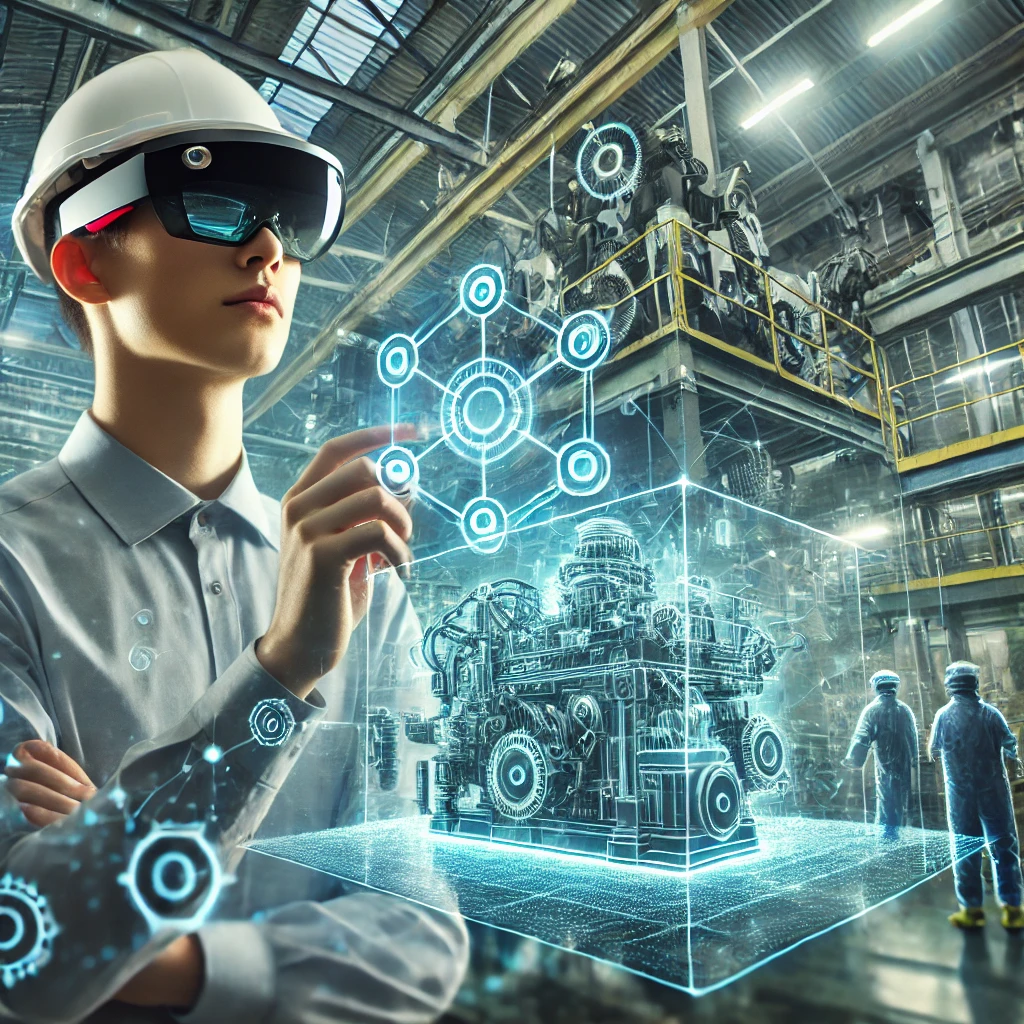
- Augmented Reality (AR) enhances the real world by overlaying digital information and interactive elements.
- Mixed Reality (MR) combines both physical and digital environments, allowing real and virtual objects to interact together.
The Most Promising Applications of Extended Reality
Demand for immersive experiences continues to grow across multiple sectors, including:
- Gaming: increasingly realistic and engaging experiences.
- E-commerce: virtual shopping environments where users can explore products before purchasing.
- Healthcare: advanced medical training and telemedicine solutions.
- Education: interactive lessons and virtual cultural exchange programs.
- Industry: prototyping, simulations, and industrial metaverse applications.
Challenges and Opportunities
Despite its enormous potential, extended reality still faces several challenges:
- Devices: headsets and hardware need to become lighter, more practical, and more accessible.
- Regulation: clearer rules regarding privacy, data protection, and digital security are still needed.
- Health Impact: the long-term physical and psychological effects of immersive technologies continue to be studied.
At the same time, opportunities are rapidly expanding — from reducing environmental impact through virtual collaboration spaces to transforming education, training, and business cooperation.
The Role of Big Tech and SMEs
Large technology companies and small-to-medium enterprises are both playing a key role in the evolution of extended reality.
In Europe, nearly 90% of businesses working in immersive technologies are SMEs, proving that innovation in this sector is increasingly accessible.
Collaboration between institutions, companies, and educational organizations will be essential to fully unlock the potential of these technologies.
Looking Ahead
Extended reality is no longer just a technology trend — it represents a transformation that will increasingly influence education, communication, work, and society as a whole.
The coming years will show how immersive technologies continue to evolve and create new opportunities across the world.